Between 80% and 90% of the enterprise value in modern spin-offs and across mature technology firms cannot be captured by patents alone.
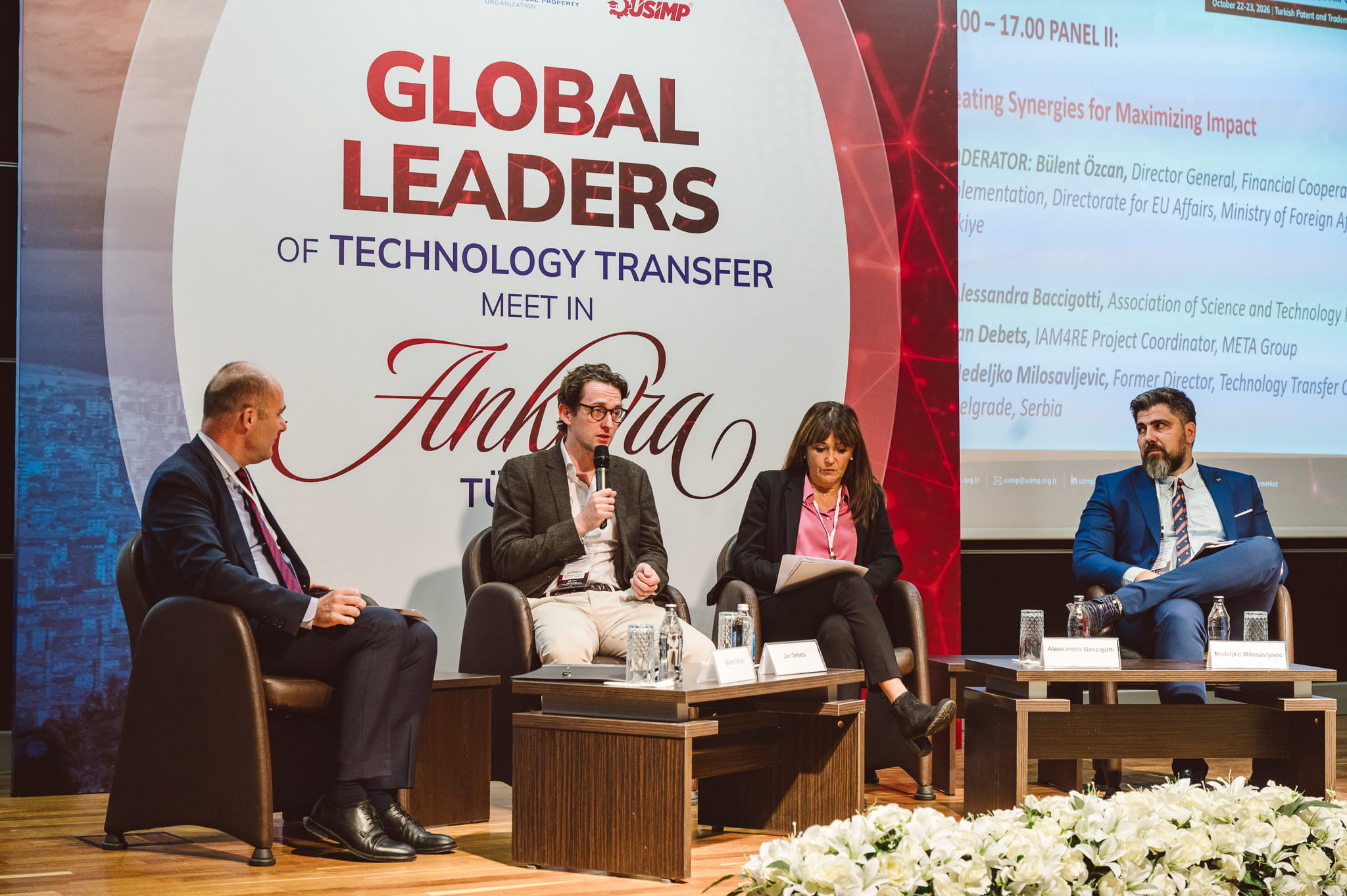
Jan Debets, Head of Business Development and Partnerships at META Group, the coordinator of the IAM4Re project, opened his intervention with this figure at Türkiye’s National Knowledge and Technology Transfer Week 2026. Historically, institutional technology transfer has relied on patent filings, formal licensing agreements, and registered intellectual property. Yet across deep tech, life sciences, and digital innovation, actual commercial advantage increasingly resides in intangibles: the talent, proprietary datasets, algorithms, protocols, regulatory pathways, partnerships, and uncodified know-how.
This reality underpins the European Commission’s support for IAM4RE. The project exists not to dismiss patents, but to equip Knowledge Transfer Offices (KTOs) with practical frameworks to identify, govern, and commercialise the entire spectrum of intellectual assets (IA). During the session moderated by Bülent Özcan of the Directorate for EU Affairs, this broader approach resonated with colleagues from ASTP, AUTM, and the World Intellectual Property Organization. As European funding instruments evolve, particularly with the European Innovation Council (EIC) gaining relative weight in upcoming budgets, public funders and private capital alike demand more than laboratory invention. They require a repeatable commercial route to market, underpinned by strong intangible asset management.
Interestingly, standardization was notably less on the forefront during the week's debates, which speaks to the importance of IAM4RE’s mission.
“Standardisation is still treated primarily as a formality for specialist consultants rather than an early strategic goal to be taken up by the research team and the supporting KTOs” observed Jan Debets, Head of Business Development and Partnerships at META Group. “Engaging with standard-setting bodies early in the research lifecycle de-risks deployment well before a venture reaches full commercial maturity. Innovations stand to profit if intellectual asset strategy embeds standards as early as possible".
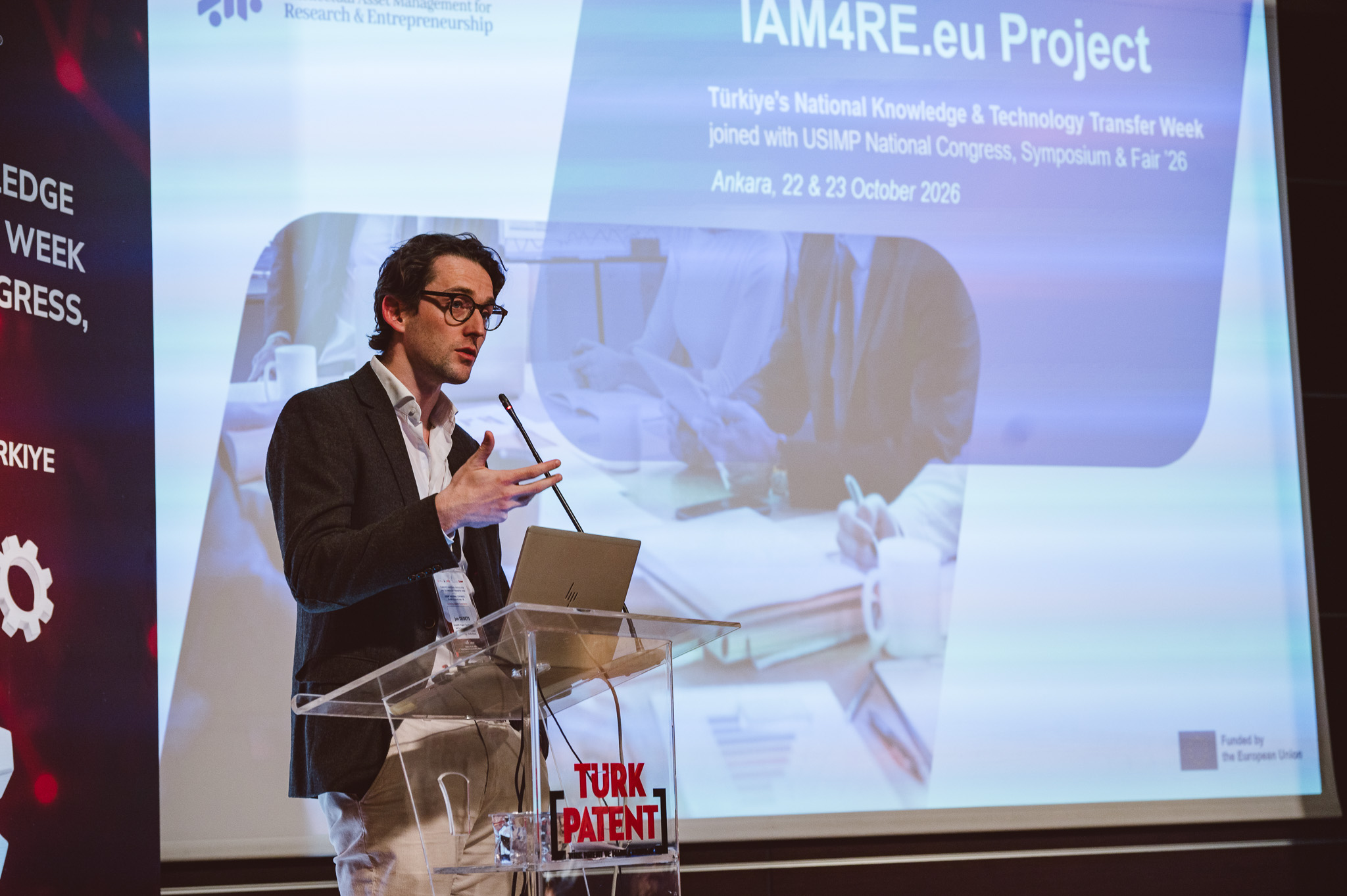
(Jan Debet, Jan Debets, Head of Business Development and Partnerships at META Group)
Clearly, KTO professionals already have a lot on their plate. Exchanges throughout the week made clear that KTO practitioners are cross-functional nodes mediating between academic researchers, industrial strategists, and investors. Integrating standardization and Intellectual Assets in those activities means an extra challenge. It is therefore the IAm4Re project provides practical tools for implementation.
The momentum demonstrated in Türkiye was exemplified by platforms such as ÜSİMP, whose advocacy has helped channel corporate profits into deep-tech technopark ventures, demonstrates an ecosystem maturing rapidly. The IAM4RE project aims to further contribute. By providing European research bodies with the tools to value data, processes, and standards alongside traditional patent estates, IAM4RE aims to ensure that scientific output translates into durable industrial capability.


